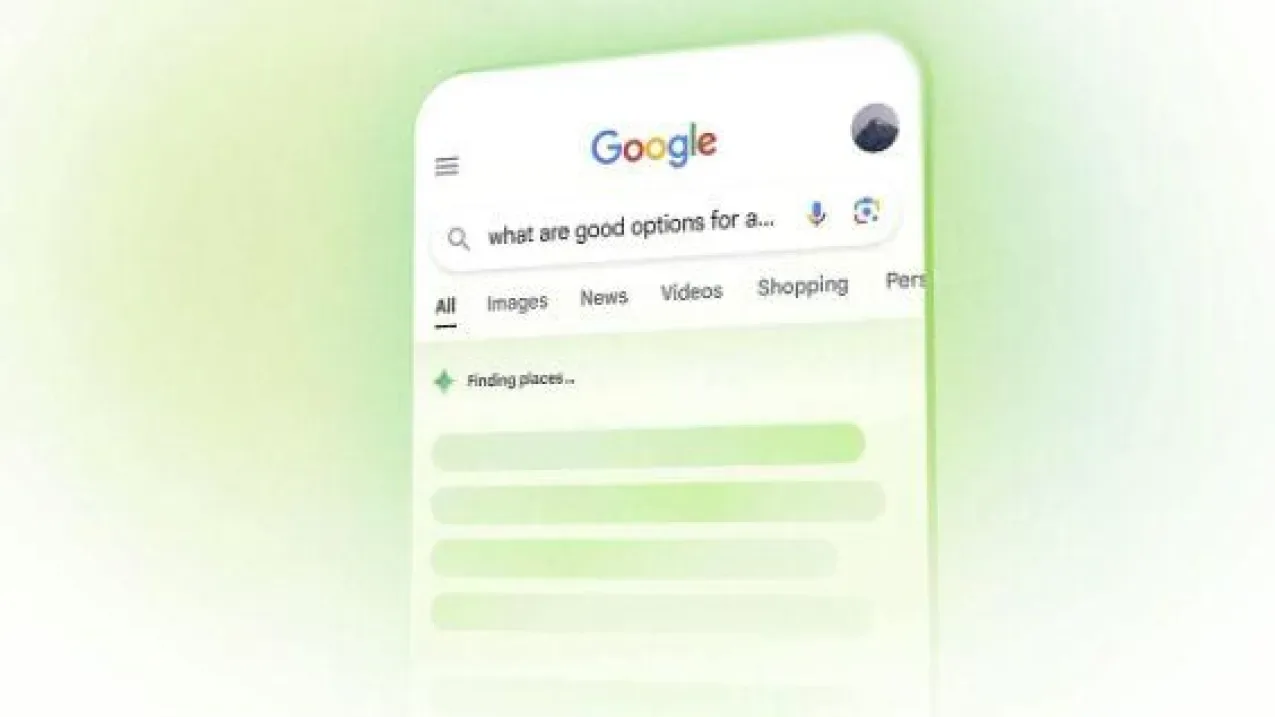
Have you noticed a double-digit decline in your organic web traffic this year? If so, you’re not alone. Research suggests Google’s introduction of AI overviews has caused a 15-64% decline in organic traffic, depending on the industry and search type.
So what does this mean for media strategists and the future of search marketing? Should we throw-in the towel, or is this actually the start of a new wave to ride?
Here’s my take: This absolutely changes how our clients show-up in search - and it demands we as media strategists take a smarter, more adaptive strategy across the board. In fact, this pushes us to become more creative and diverse in the media channels and marketing tactics we use - at least until more robust ad-based solutions for AI platforms start showing up.
But while there may be some short-term pain, there’s still plenty of opportunity.
Visibility will look very different
With AI summarizing questions directly, brands need to invest more in upper-funnel awareness, with content structured for discovery. Think about how your content could show-up in an AI summary and maximise the impact.
Search budgets need to work harder
As organic traffic drops, demand for top ad slots will spike. Expect higher CPCs and much fiercer competition. Paid search strategy must go beyond keywords - it’s about relevance, intent, and creative differentiation.
Authority will beat optimization
AI pulls from credible, trustworthy sources. Building brand equity through PR, thought leadership, and high-quality content will matter more than ever.
New ad formats are coming
Google is already testing ads in AI snapshots. Expect conversational, contextual formats where being useful wins over being loud.
Bottom line: AI is reshaping how people search - and how brands get seen. At Panoply Media we’re ready to help clients navigate this shift. Those who evolve quickly will win the next wave of attention.
Interested in taking your media strategy to the next level? Let’s talk.