
For decades, radio has been one of advertising’s most effective channels for reach, frequency, and emotional storytelling. But historically, it relied on a single sense: sound.
That’s changing. Fast.
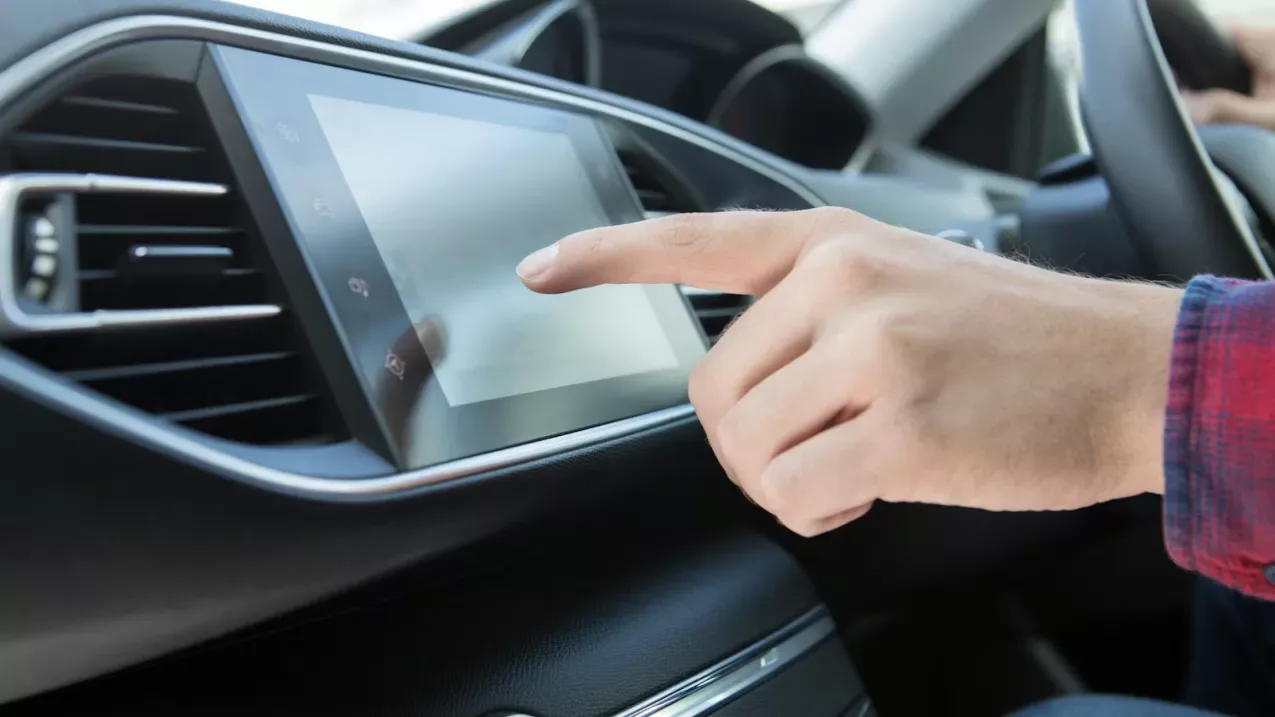
Recently, Bell Media announced expanded in-car advertising capabilities that synchronize display text and brand visuals with radio ads on connected vehicle dashboards. It’s an important signal for where audio advertising is heading next: toward more connected, visual, and data-enabled experiences.
What was once purely an audio environment is rapidly evolving into a multi-sensory media channel. For marketers, that creates entirely new creative and strategic opportunities.
According to research cited in Bell’s announcement, synchronized visual radio ads can significantly improve campaign performance. A study found that visual radio messaging increased purchase intent by 89%, brand favourability by 58%, and slogan familiarity by 57%.
Those are numbers advertisers should not ignore.
Audio Advertising Is Becoming a Multi-Sensory Experience
The shift happening in radio reflects a much broader transformation across the audio landscape.
Podcasts are perhaps the clearest example. What began as an audio-first format has increasingly become visual, distributed simultaneously across YouTube, social platforms, connected TV environments, and live-streaming channels.
Audiences are no longer simply listening. They are watching hosts, engaging with on-screen graphics, consuming branded integrations visually, and interacting with content across multiple devices simultaneously.
The same evolution is now beginning to happen inside vehicles.
As connected car technology becomes more sophisticated, dashboards are increasingly functioning as digital media environments rather than simple utility screens. That creates new opportunities for synchronized audio and visual advertising experiences that were not technically possible even a decade ago.
For brands, this means radio advertising is no longer limited to voice, music, and sound design alone.
Connected Vehicles Are Expanding the In-Car Media Opportunity
Modern vehicles are rapidly becoming connected platforms.
Larger displays, real-time connectivity, smarter infotainment systems, voice assistants, navigation integration, and personalized user experiences are fundamentally reshaping how consumers engage with media while driving.
At the same time, advertising technology is becoming more dynamic, responsive, and data-driven.
The convergence of these trends is creating a new category of connected car advertising — one where audio, visuals, targeting, and contextual relevance increasingly work together in real time.
And imagine how media consumption habits inside vehicles could change as we move towards a world where self-driving cars are more commonplace?
This evolution also opens the door to richer measurement capabilities.
Historically, radio has been exceptionally strong at driving reach and awareness, but attribution has often been more difficult to measure compared to digital channels. As connected vehicle ecosystems mature, advertisers may gain access to deeper engagement insights and more sophisticated attribution models tied to location, behaviour, and campaign exposure.
That has the potential to make in-car advertising not only more immersive, but also more measurable.
The Future of Radio Advertising Is Connected and Visual
Importantly, none of this diminishes what has always made radio effective.
Radio continues to reach consumers during highly habitual, attentive moments throughout the day — particularly during commuting and travel. That behavioural consistency remains incredibly valuable for brands.
What is changing is the experience surrounding the audio itself.
The broader media landscape is increasingly converging. Audio, connected TV, digital out-of-home, social media, and digital video are all evolving toward more integrated, screen-enabled, and data-informed experiences.
In-car advertising is now moving in the same direction.
For marketers, the opportunity is not simply to “add visuals” to radio campaigns. It is to rethink how audio advertising can work as part of a broader connected media ecosystem.
The brands that begin adapting to that shift early will likely have a significant advantage in the years ahead.